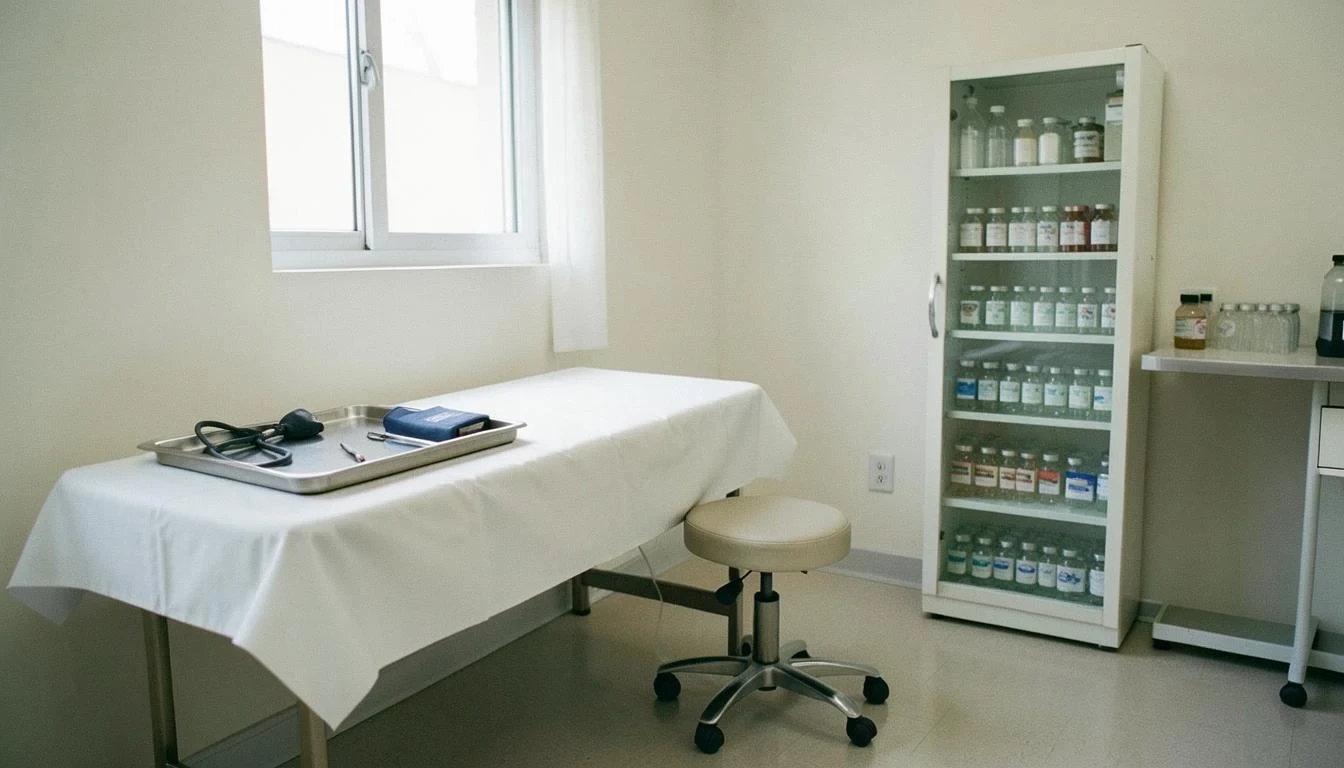
A physical exam is a routine checkup that evaluates your overall health. It typically includes a review of medical history, vital signs, a head-to-toe assessment, and sometimes lab tests. The goal is to detect early signs of disease, monitor existing conditions, and discuss preventive care. In New York, doctors follow national standards while tailoring the visit to individual needs.
Table of Contents
Key takeaways
- A physical exam assesses overall health and screens for disease
- Vital signs, medical history, and a physical assessment are standard
- Lab tests may be ordered based on age, gender, or risk factors
- Preparation includes knowing your health history and current medications
- In New York, access to care and follow-up timing can vary by practice
What happens during a physical exam?
A physical exam begins with a review of your medical history and current health concerns. The doctor checks vital signs—blood pressure, heart rate, temperature, and weight—then performs a head-to-toe assessment. Depending on your age and risk factors, lab work or screenings may be ordered. The entire process is designed to evaluate wellness and catch issues early.
The exam starts with a conversation. The doctor will ask about your medical history, including past illnesses, surgeries, family health patterns, and lifestyle habits like diet, exercise, and tobacco or alcohol use. This helps identify risks for conditions common in adults, such as heart disease or diabetes.
Next, the doctor measures vital signs. Blood pressure is checked to assess cardiovascular health. A high reading may prompt follow-up, especially if you’ve had issues before. Heart rate and rhythm are noted. Temperature and weight provide additional context—sudden changes can signal underlying problems.
The physical assessment includes examining the eyes, ears, nose, and throat. The doctor listens to your heart and lungs with a stethoscope, checks your abdomen for tenderness or enlargement, and evaluates your skin, joints, and reflexes. Men may receive a testicular exam; women may be referred for a pelvic exam, though not always during a general checkup.
- Review medical history and current symptoms
- Measure vital signs
- Conduct head-to-toe physical assessment
- Order labs or screenings if needed
- Discuss findings and next steps
How should I prepare for a routine checkup?
To prepare for a routine checkup, gather your medical records, list all current medications, and note any symptoms or concerns. Wear comfortable clothing, and be ready to discuss lifestyle factors. Fasting may be required if blood work is planned. Being prepared helps the doctor make the most of your visit.
Start by collecting key information. Bring a list of all medications, including over-the-counter drugs and supplements, with dosages. Include any allergies or adverse reactions. If you’ve seen other providers recently, bring summaries or test results—this avoids duplication and gives a fuller picture.
Write down symptoms, even minor ones. Fatigue, sleep changes, or occasional dizziness may seem unimportant but can signal underlying issues when combined with other findings. Also, note any major life changes—stress, job shifts, or new exercise routines—that could affect health.
Some labs require fasting. If your doctor expects blood work, you may need to avoid food and drink (except water) for 8–12 hours. Confirm this in advance. Wear clothing that’s easy to remove or adjust—especially if an EKG or blood draw is planned.
- List all medications and supplements
- Note symptoms and health concerns
- Bring prior test results if available
- Fast if lab work is expected
- Wear accessible clothing
In New York, where schedules can be demanding, preparing ahead ensures a smooth visit. Many practices offer pre-visit questionnaires online to streamline the process.
What screenings are included in a physical exam?
Screenings during a physical exam depend on age, gender, family history, and risk factors. Common ones include blood pressure checks, cholesterol tests, diabetes screening, and cancer screenings like mammograms or colonoscopies. The doctor decides which are appropriate based on guidelines and your personal health profile.
Not every screening is done at every visit. Blood pressure is checked annually for most adults. Cholesterol testing typically starts in adulthood and repeats every 4–6 years if results are normal. Diabetes screening may begin at age 35 or earlier if you have risk factors like obesity or a family history.
Cancer screenings follow established timelines. Women are usually advised to begin regular mammograms at age 40 or 50, depending on risk. Colon cancer screening starts at age 45 with options like colonoscopy or stool tests. Men may discuss prostate cancer screening with their doctor starting at age 50, or earlier if at high risk.
The doctor also assesses immunization status. Vaccines for flu, tetanus, shingles, and others are reviewed and updated as needed. In New York, where population density increases exposure risk, staying current on vaccines is especially important.
- Blood pressure: every visit
- Cholesterol: every 4–6 years (or more often if elevated)
- Diabetes: starting at age 35, or earlier with risk factors
- Mammogram: starting at 40–50, based on risk
- Colon cancer: starting at age 45
- Immunizations: reviewed annually
If you're scheduled for blood work, confirm whether fasting is required the day before. Skipping this step may delay results or require a repeat visit.
How often should I get a physical exam?
Most healthy adults should have a physical exam every 1 to 3 years, depending on age and health status. After age 50, annual visits are often recommended. People with chronic conditions like diabetes or high blood pressure may need checkups more often. The right frequency depends on individual risk and medical history.
Young, healthy adults with no chronic conditions and a family history free of early heart disease or cancer may only need a checkup every 2–3 years. These visits focus on prevention, vaccinations, and baseline measurements. However, any new or persistent symptoms should prompt an earlier visit.
Starting in midlife, annual exams become more common. Changes in metabolism, hormone levels, and organ function make regular monitoring valuable. The doctor can track trends in blood pressure, weight, or lab values over time—small shifts may signal bigger issues before symptoms appear.
Chronic conditions require more frequent follow-up. For example, someone managing hypertension might see their doctor every 3–6 months to adjust medication and monitor kidney function. Diabetes care often includes quarterly HbA1c tests and annual eye and foot exams.
In New York, access to care can influence how often people schedule visits. Some practices offer extended hours or telehealth for follow-ups, making it easier to stay on track. The doctor at Ionut Paramedic will help determine a schedule that fits your health needs and lifestyle.
Frequently asked questions
Does insurance cover a physical exam?
Most health insurance plans in New York cover routine checkups with no out-of-pocket cost, especially under preventive care benefits. However, additional tests or services may incur charges. It’s best to confirm coverage with your insurer before the visit.
Can I request specific tests during my physical?
Yes, you can discuss concerns and request specific tests, but the doctor will determine what’s medically appropriate. Some tests may not be covered if deemed unnecessary. Open communication helps align your goals with clinical guidelines.
What’s the difference between a physical exam and a wellness visit?
A physical exam focuses on overall health assessment and disease screening. A wellness visit may include the same elements but often emphasizes preventive counseling and health risk assessments, especially in employer or insurance programs.