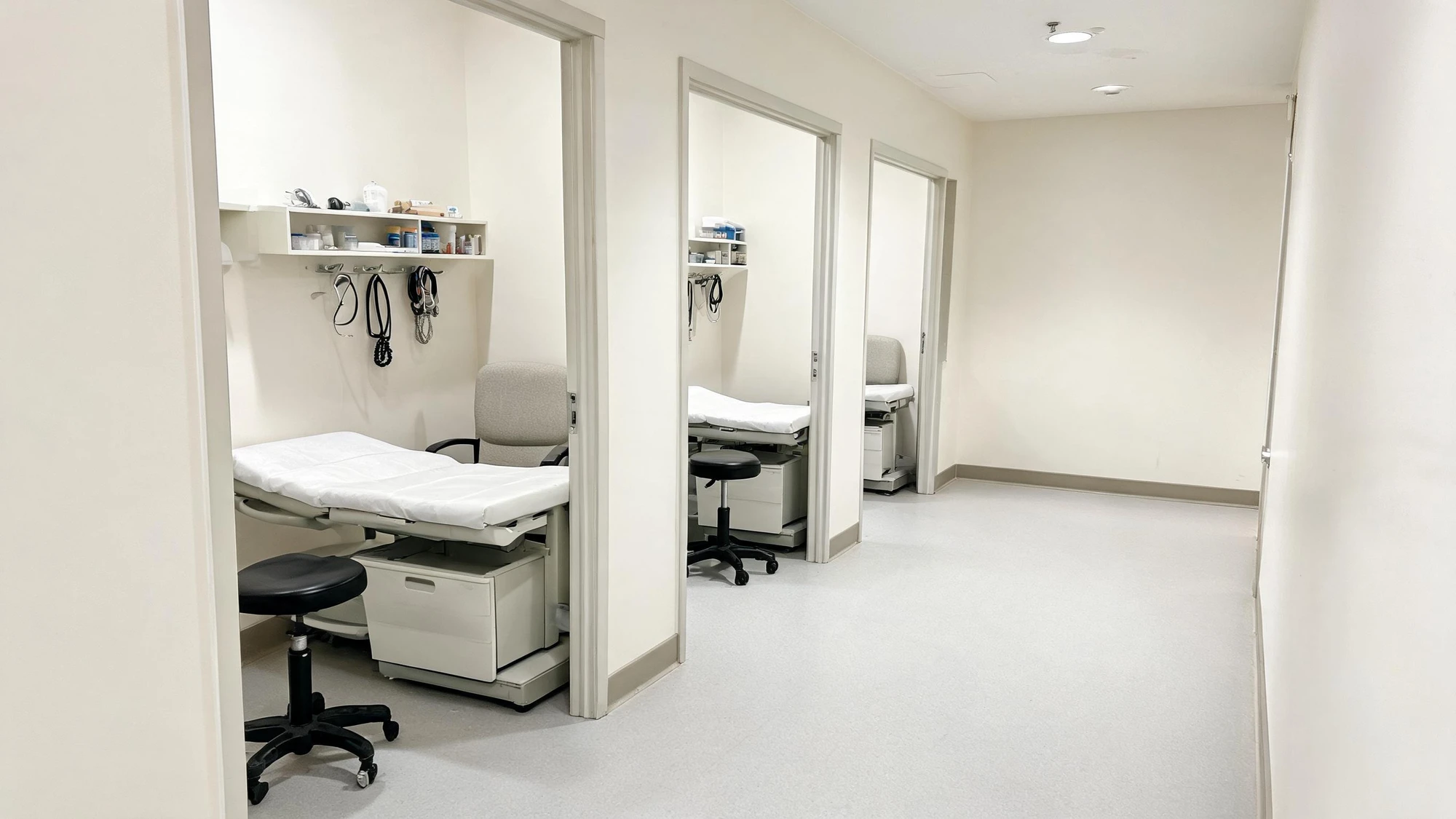
Vaccinations are a critical component of public health, protecting individuals from serious and potentially life-threatening diseases, while also preventing outbreaks and protecting those who are most vulnerable, such as the elderly and young children.
Table of Contents
Key Takeaways
- Vaccinations protect individuals from serious diseases
- Prevent outbreaks and protect vulnerable populations
- Maintain public health and prevent the spread of diseases
- Support community health and well-being
How Do Vaccinations Work?
Vaccinations work by introducing a small, harmless piece of a pathogen, such as a virus or bacteria, to the body, which triggers an immune response and helps the body build immunity to the disease.
The process typically involves several steps, including:
- Introduction of the vaccine to the body
- Recognition of the vaccine by the immune system
- Activation of immune cells to fight the disease
- Development of immunity to the disease
This process helps to build a strong immune system and prevent the spread of diseases.
What Are the Benefits of Vaccinations?
Vaccinations offer numerous benefits, including:
- Protection from serious and potentially life-threatening diseases
- Prevention of outbreaks and protection of vulnerable populations
- Maintenance of public health and prevention of the spread of diseases
- Support for community health and well-being
By getting vaccinated, individuals can help to prevent the spread of diseases and protect not just themselves, but those around them.
Are Vaccinations Safe?
Vaccinations are extensively tested and monitored for safety and effectiveness, and the vast majority of people who receive vaccinations experience no serious side effects.
However, as with any medical treatment, there may be some risks and side effects associated with vaccinations, such as:
- Mild side effects, such as redness or swelling at the injection site
- Allergic reactions to the vaccine
- Serious side effects, such as anaphylaxis
It is essential to discuss any concerns or questions with a healthcare professional before receiving a vaccination.
If you are unsure about which vaccinations you need, consult with your healthcare provider or check the recommended vaccination schedule for your age group and health status.
How Can I Get Vaccinated?
Getting vaccinated is a straightforward process that typically involves visiting a healthcare provider or a vaccination clinic.
In New York, you can find vaccination clinics and healthcare providers that offer vaccinations by:
- Contacting your healthcare provider or insurance company
- Visiting the New York City Department of Health and Mental Hygiene website
- Searching online for vaccination clinics in your area
It is essential to consult with a healthcare professional before receiving a vaccination to ensure you receive the correct vaccinations for your age group and health status.
Frequently Asked Questions
What vaccinations do I need?
Consult with your healthcare provider or check the recommended vaccination schedule for your age group and health status to determine which vaccinations you need.
Are vaccinations safe for people with allergies?
While vaccinations are generally safe, individuals with allergies should consult with their healthcare provider before receiving a vaccination to discuss any potential risks or concerns.
Can I get vaccinated if I am pregnant or breastfeeding?
Yes, most vaccinations are safe for pregnant or breastfeeding women, but it is essential to consult with your healthcare provider before receiving a vaccination to discuss any potential risks or concerns.